Revitalize Your Living Area: Vital Details On Residential Improvement Projects for All Property Owners
Property owners frequently look for methods to enhance their residences through home improvement projects. These renovations extend from kitchen upgrades to entire residential overhauls. Being aware of the possibilities is essential for deciding wisely. Furthermore, there exist real-world factors like budgeting and contractor selection. When property owners embark on this process, they might encounter unforeseen difficulties. Achieving a successful makeover requires careful planning and performance. Which actions should follow?
Grasping the Diverse Forms of Residential Renovation Work

When homeowners consider renovating their residences, they frequently come across numerous renovation options tailored to different needs and preferences. These services can be broadly categorized into a few distinct groups, each addressing specific aspects of house upgrades. Kitchen renovations center on updating appliances, cabinetry, and floor plans to boost practicality and aesthetics. Renovating the bathroom usually includes upgrading fixtures, tiling, and organizational units for better convenience and visual flair.
Whole-home remodeling encompasses significant changes throughout the residence, frequently involving changing the structure to make the most of the space and movement. Outdoor renovation projects, conversely, aim to improve curb appeal, handling the exterior walls, the covering, and landscaping. Additionally, specialized services like basement finishing and attic conversions help residents make the most of neglected parts of the home. Each type of remodeling service provides distinct advantages, allowing property owners to select choices that align with their vision for their residence. Grasping these differences is crucial to making informed decisions while undertaking the upgrade.
Creating an Attainable Financial Limit for Your Home Improvement Work
How can homeowners guarantee their remodeling projects remain economically sound? Setting a practical budget is essential. It is advisable for homeowners to begin by evaluating their financial capacity, like savings and available loan choices. This initial step will help determine the funds available for the renovation without compromising other financial responsibilities.
Afterward, those undertaking the remodel should research the costs associated with their desired renovations, taking into account materials, labor, and unexpected costs that frequently occur. Creating a detailed list of priorities helps with identifying must-haves versus nice-to-haves, allowing for adjustments if the budget tightens.
It's wise to include a contingency fund, typically around 10-20% of the total budget, to account for surprise expenditures. Regularly reviewing and adjusting the budget as the updating work progresses can also help maintain financial control. In the end, a carefully structured budget does more than just confirm the project can be done but also improves the entire renovation process for homeowners.
Selecting the Appropriate Contractor for Your Needs.
Finding a suitable builder can significantly affect how well a renovation turns out. Property owners ought to start by performing extensive investigation, asking for referrals from friends, family, or internet reviews. It is crucial to check qualifications, including licenses, insurance, and bonding, to confirm legitimacy.
When prospective builders are located, homeowners should request detailed estimates and timelines, allowing for informed comparisons. Discussions reveal their approach to dialogue and their level of expertise, which are essential for a collaborative process.
Furthermore, examining previous work via portfolios or referrals can reveal a contractor's quality of workmanship. Property owners must also ask about guarantees or assurances, reflecting the contractor's confidence in their work.
Ultimately, selecting a contractor who aligns with the homeowner’s vision, budget, and timeline fosters a more positive remodeling experience, guaranteeing that the project meets expectations and transforms the living space effectively.
Organizing and Conceptualizing Your Ideal Space.
As homeowners envision their ideal spaces, meticulous organization and deliberate design are crucial elements of an effective updating job. The beginning stage requires reviewing existing necessities and future desires, to gain a complete comprehension of the area's utility. Homeowners should consider practicality, visual appeal, and personal style, making sure the design captures their distinctive choices.
Subsequently, it is critical to create a detailed budget. This budget should accommodate supplies, labor, and possible unexpected costs. Engaging with design professionals can provide valuable insights, aiding in maximizing the area while sticking to budgetary constraints.
Including features such as ample daylight, spacious designs, and eco-friendly supplies can improve the final result. Finally, seeing the project via mock-ups or 3D visualizations can assist in finalizing plans before starting the work. When handling the initial design phase deliberately, homeowners can design a welcoming, practical area customized for their needs.
Dealing with Permits and Building Codes in Home Remodeling
Grasping the intricacies of permits and rules can be intimidating for homeowners embarking on a renovation. Each municipality has specific rules that determine what is allowed during renovations, often influenced by zoning laws, building codes, and security requirements. Owners need to acquaint themselves with local regulations to prevent expensive penalties or construction hold-ups.
Typically, obtaining permits is crucial for significant alterations, such as structural changes or electrical work. This process frequently requires submitting blueprints for approval and could involve check-ups at multiple points.
Hiring an experienced builder can simplify this process, as they are typically experts in municipal rules and can aid in filing necessary forms. Homeowners should also keep communication open with the city's regulatory body to ensure adherence throughout the project. By comprehending and working within these rules, homeowners can meet their renovation objectives while ensuring safety and legality in their renovations.
Common Queries
How Long Does a Typical Home Remodeling Project Take?
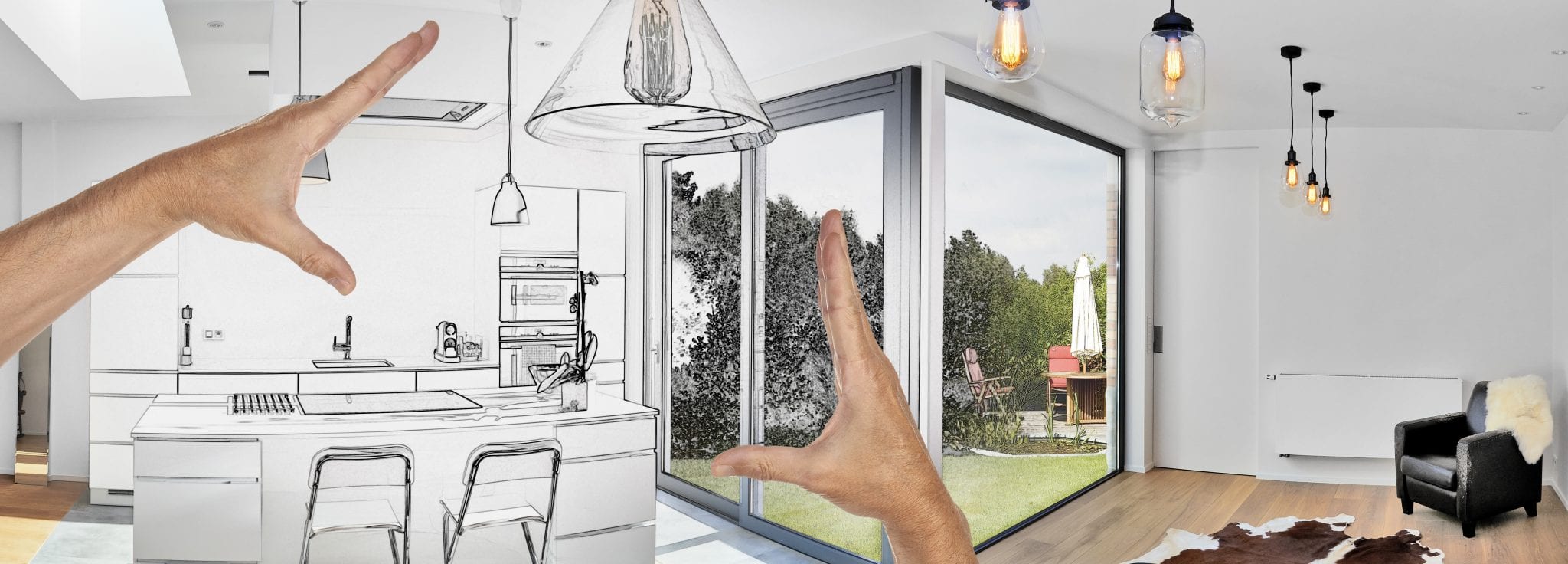
A standard home renovation generally requires between three to six months, based on the size of the job, scale of the house, and material lead times. More involved renovations might need extra time for completion.
What are the frequent blunders that people make throughout the renovation process?
Frequent errors when renovating a home are things like underestimating budgets, not securing the required permissions, missing scheduled deadlines, not maintaining clear communication with your builders, and ignoring long-term functionality. Knowing these potential problems often results in a smoother, more positive renovation outcome.
How should I go about choosing the best supplies for my renovation?
Choosing the right materials involves evaluating their resilience, visual appeal, and cost constraints. Investigating available choices, consulting professionals, and considering maintenance needs will significantly help to make smart choices, making sure the renovation matches with personal and functional requirements.
Can I live in my home while the remodeling is happening?
You are able to stay in their home while work is ongoing, but it might cause disruption. Thorough preparation, maintaining open dialogue with your builders, and creating defined spaces for essential activities will reduce the inconvenience while the work is underway.
What warranties should I expect by my builders?
You should anticipate receiving warranties for the labor performed, the products installed, and the integrity of the structure, typically applicable information ranging from one to ten years. You must carefully check the fine print and details alongside your builders to know the full extent of the guarantee and its restrictions.